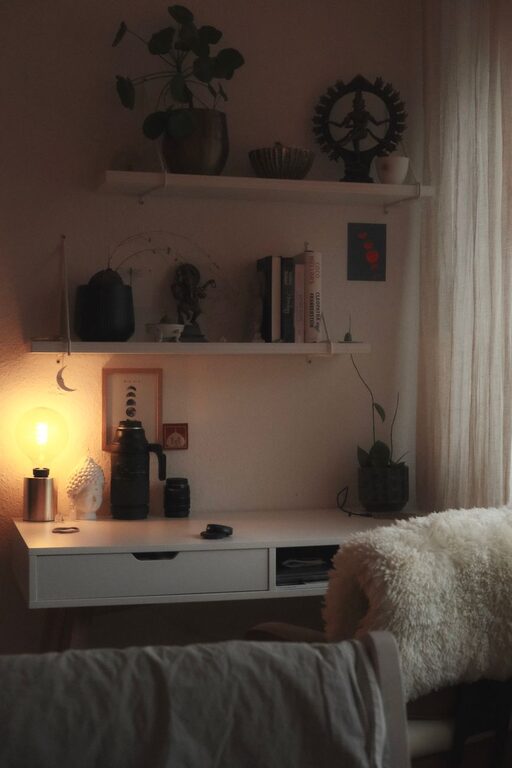
Creating a relaxing home office environment is essential for maintaining productivity and well-being while working remotely. A calm and organized workspace helps reduce stress, improve concentration, and make your workday more enjoyable. Whether you have a dedicated room or just a small corner, there are plenty of ways to design a home office that feels both inviting and efficient. In this post, we’ll share practical tips to help you create a space where you can focus, relax, and do your best work.
Choose the Right Location
Finding the ideal spot for your home office sets the foundation for a relaxing workspace. Consider these factors when selecting your location:
– Natural light: Choose a space near a window if possible. Natural light boosts mood and energy, helping you stay alert.
– Quiet area: Pick a low-traffic corner or room where you can minimize distractions.
– Comfortable temperature: Ensure the area is well-ventilated and can be kept at a comfortable temperature throughout the day.
If space is limited, even a well-organized nook or part of your living room can work. The key is to make it feel separate from areas associated with rest or leisure.
Invest in Comfortable Furniture
Comfort plays a major role in how relaxing your home office feels. The right furniture supports good posture and reduces fatigue. Here are some essentials:
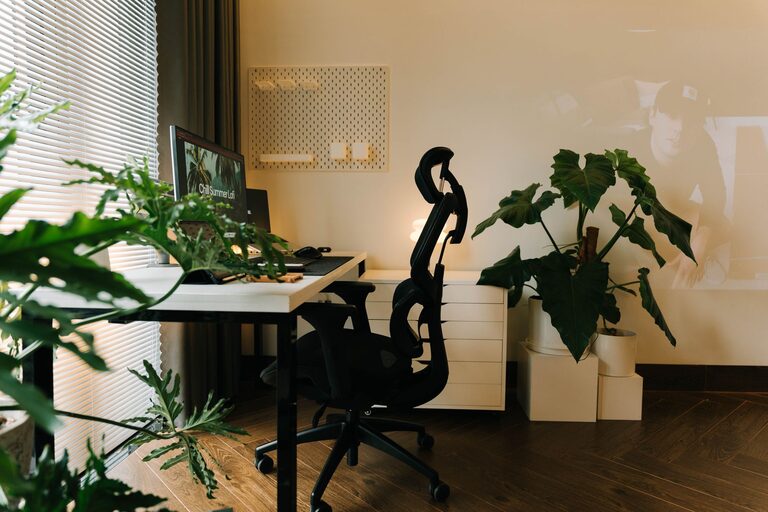
– Ergonomic chair: Choose a chair with adjustable height, lumbar support, and comfortable cushioning.
– Proper desk: Select a desk that fits your needs—a standing desk or adjustable desk can help reduce sitting time.
– Footrest: If your feet don’t comfortably reach the floor, a footrest can improve posture.
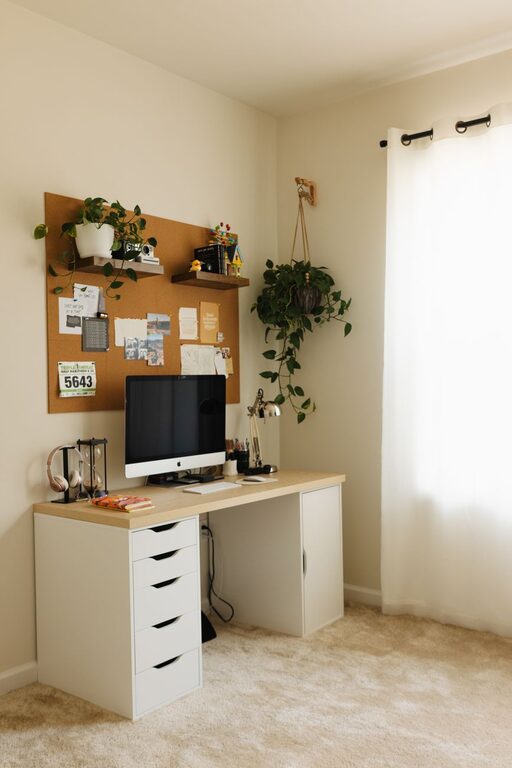
– Organizers: Use drawer organizers, shelves, or bins to keep supplies tidy and easily accessible.
Remember that your furniture should not just look good but support your body during long hours of work.
Create a Calming Color Palette
Colors influence mood and productivity. To foster relaxation and focus in your home office, consider these tips for selecting colors:
– Soft neutrals: Shades like beige, soft gray, and white create a clean and calm atmosphere.
– Cool blues and greens: These colors are known to reduce stress and promote concentration.
– Accent colors: Using muted accent colors like pastel yellow or lavender can add warmth without overwhelming the senses.
– Avoid overly bright colors: Intense reds or neon shades may increase energy but can also cause distraction or anxiety over time.
You can apply color through wall paint, decor items, cushions, or artwork for a subtle yet effective impact.
Keep Your Space Organized and Clutter-Free
Clutter can cause distractions and increase stress. An organized workspace encourages relaxation and efficiency. Try these tips for maintaining order:
– Daily tidying: Set aside a few minutes each day to put things back in their place.
– Use storage solutions: Bins, filing cabinets, and desk organizers keep paperwork and office supplies out of sight.
– Limit decor: Choose a few meaningful or inspiring items rather than overcrowding surfaces.
– Go digital: Scan and store documents electronically to reduce physical clutter.
Having a clean desk helps clear your mind and supports creative thinking.
Incorporate Natural Elements
Bringing elements of nature into your workspace can improve mood and reduce stress. Here are simple ways to do this:
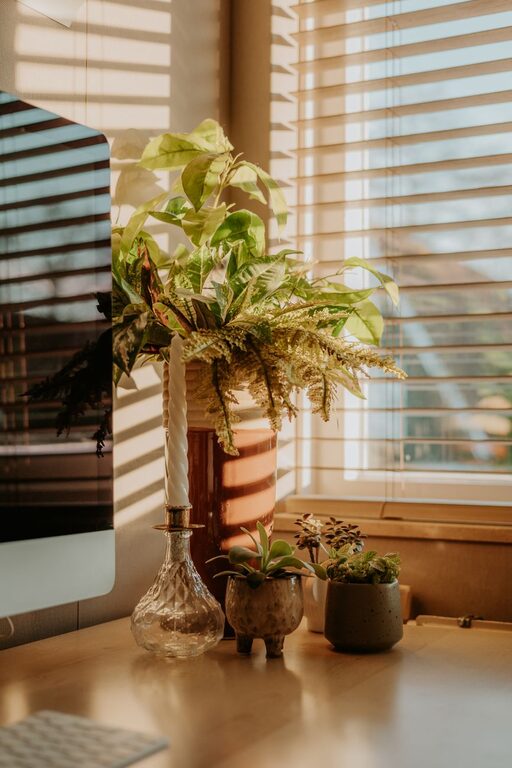
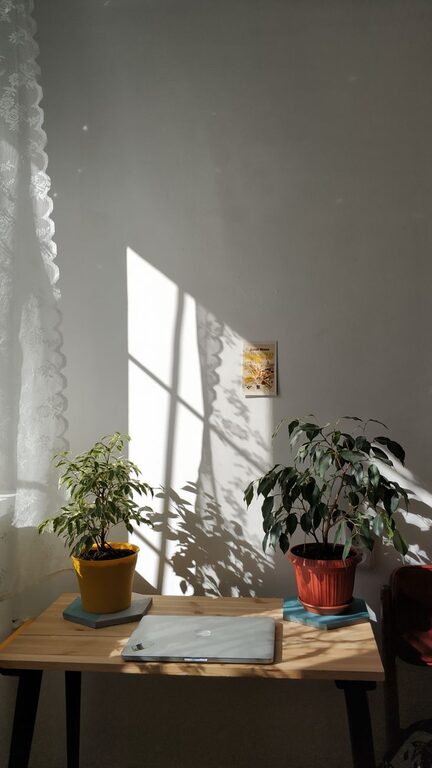
– Houseplants: Plants like succulents, spider plants, or peace lilies are low-maintenance and add greenery.
– Natural light: Maximize exposure to sunlight to stay connected with the outdoors.
– Natural materials: Use wood, stone, or wicker in furniture and accessories to create a warm feel.
– Nature-inspired artwork: Photos or paintings of landscapes can provide visual calm.
These touches help create a refreshing environment and can improve air quality.
Manage Lighting Carefully
Proper lighting reduces eye strain and supports your body’s natural rhythms. Consider these lighting tips:
– Combine ambient and task lighting: Use overhead lighting together with desk lamps for focused illumination.
– Adjustable lamps: Choose lamps with brightness and color temperature controls.
– Avoid glare: Position your screen and lights to prevent reflections or shining directly into your eyes.
– Use warm light: Soft, warm light is easier on the eyes than harsh, cool white light, especially in the evening.
Good lighting increases comfort and helps maintain your focus throughout the day.
Add Personal Touches Wisely
Personalizing your home office makes it a welcoming space, but avoid overdoing it. Balance is key:
– Inspiring artwork or quotes: Choose items that motivate or calm you.
– Favorite photos: Family or travel photos can add warmth.
– Comfort items: A cozy throw blanket or scented candles can enhance relaxation.
– Keep it minimal: Avoid cluttering your space with too many personal items that may distract.
A few well-chosen personal touches help you feel at ease while staying focused.
Establish Boundaries and Routine
A relaxing home office also depends on your habits and boundaries:
– Set work hours: Define a start and end time to separate work from personal life.
– Take breaks: Step away regularly to stretch or walk outside.
– Designate your workspace: Use the area only for work to strengthen mental separation.
– Limit distractions: Use noise-cancelling headphones or white noise apps as needed.
Creating a routine reduces stress and makes your workspace a positive place to be.
—
By following these tips, you can transform your home office into a relaxing and productive environment. Small changes in lighting, furniture, organization, and decor add up to a space where you can feel calm and focused throughout your workday. Remember, the best home office is one tailored to your needs and preferences – so don’t hesitate to experiment until it feels just right!